


Galen Harkness • October 30, 2023
The Art of Passing: 3 Essential Passes Every Basketball Player Should Master
Basketball is a game of movement, teamwork, and strategy. At its core, passing the ball is one of the game's most fundamental yet impactful skills

**The Art of Passing: 3 Essential Passes Every Young Basketball Player Should Master**
Basketball is a game of movement, teamwork, and strategy. At its core, passing the ball is one of the game's most fundamental yet impactful skills. For young players aspiring to elevate their game, mastering key passes can be a game-changer. Today, we'll dive into three crucial passes and explore their benefits and the challenges they pose to the defense.
---
**1. The Pocket Pass on Pick and Rolls**
The pick and roll is a classic basketball play. The pocket pass, delivered swiftly between defenders as the ball handler comes off a screen, can be lethal when executed correctly.
*Benefits for the Offense:*
- **Creates Open Shots**: The pocket pass often leads to an easy scoring opportunity, as the roller usually has a clear path to the basket.
- **Diversifies the Offense**: It keeps the defense guessing, as they have to defend both the ball handler and the roller.
*Pressures for the Defense:*
- **Forces Quick Decision Making**: The defense must decide in a split second who to guard – the shooter or the roller.
- **Risks of Overcommitting**: Misreading the play can lead to defensive players either leaving the roller open or giving the ball handler an open shot.
---
**2. The Penetrate and Kick Pass**
Driving into the paint draws defenders in, and a quick kick-out pass to an open teammate on the perimeter can be deadly.
*Benefits for the Offense:*
- **Opens Up Perimeter Shots**: Often results in open three-point opportunities.
- **Balances Inside-Outside Game**: It ensures that the offense isn't too predictable.
*Pressures for the Defense:*
- **Spreading the Defense Thin**: Defenders have to cover both the paint and the perimeter, making it challenging to defend effectively.
- **Late Closeouts**: If defenders commit too much inside, they may be too late to contest outside shots.
---
**3. Push and Pitch Ahead Pass**
In fast-break situations, the push and pitch-ahead pass can quickly move the ball up the court before the defense is set.
*Benefits for the Offense:*
- **Exploits Defensive Imbalance**: Takes advantage of moments when the defense isn't organized.
- **Creates Easy Transition Points**: Often leads to layups or open jumpers.
*Pressures for the Defense:*
- **Forces Hasty Retreats**: The defense has to rush back, which can lead to mistakes.
- **Challenges Defensive Assignments**: In the chaos of a fast break, defenders can lose track of their assignments.
---
**The Importance of Passing for Team Success**
Passing isn't just about moving the ball. It's about creating opportunities, building trust among teammates, and establishing a rhythm on the court. Good passers control the game's tempo, ensure balanced team play, and ultimately, contribute significantly to team success.
For basketball players in the 6th to 12th grade, mastering these passes can set you apart. It showcases your understanding of the game, your commitment to teamwork, and your desire to create the best opportunities for your team to score. Remember, basketball is a team sport, and passing is the glue that binds individual talents into a cohesive unit.
So, as you hit the court, practice these passes, understand their nuances, and always look for that open teammate. Elevate your game, one pass at a time.
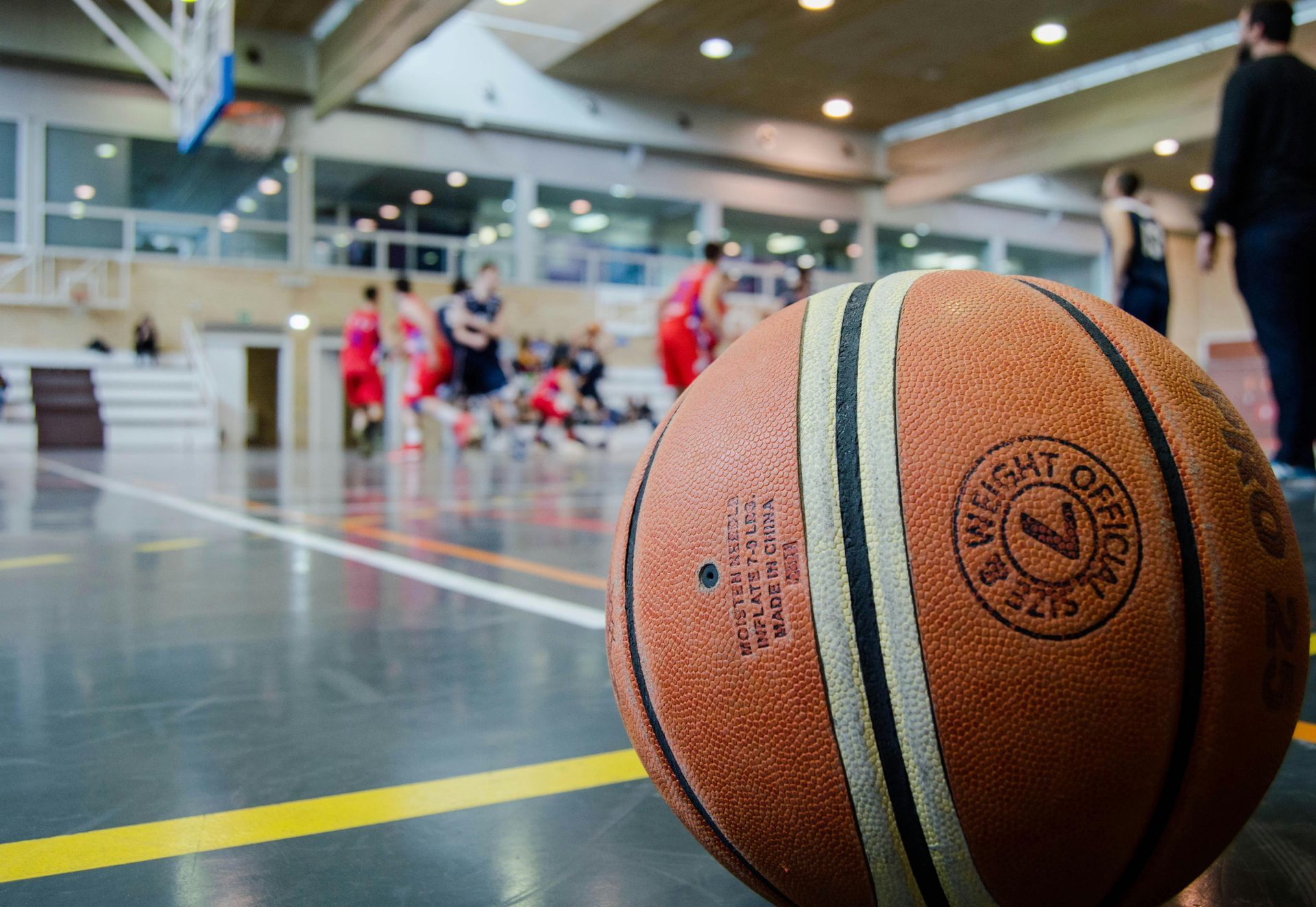
Few actually decide to do what it takes. Every Gym Has This Two types of players. You’ve seen it. You might even know which one you are. Side 1 — The Complainers They talk about: The refs Their playing time Missed shots Bad courts Coaches There’s always something. And to be fair… some of it is real. But none of it helps them get better. Side 2 — The Workers They’re different. They: Stay after Get extra shots Ask questions Listen to coaching Fix mistakes They don’t ignore problems. They attack them. Same Gym. Same Situation. Different results. That’s the part most players miss. You don’t need a better team. You don’t need a better coach. You don’t need perfect conditions. You need a better response. What This Looks Like Bad call? Complain… or sprint back. Missed shots? Blame it… or fix your feet and get reps tomorrow. Not playing much? Get frustrated… or earn trust in practice. Slippery court? Make excuses… or adjust and play stronger. Here’s The Truth Your future as a player is decided early. Not by talent. By how you respond. The Players Who Improve They walk into the gym already decided: “I’m going to figure this out.” So when things go wrong… They don’t look around. They go to work. The Players Who Stay The Same They walk in thinking: “This isn’t fair.” And every bad call… Every missed shot… Every tough moment… Just proves them right. That’s The Difference Same gym. Same opportunities. Different mindset. Different outcome. What We See At EYG The players who improve the most aren’t always the most talented. They’re the ones who: Take coaching Stay consistent Work when it’s hard Show up ready They pick the right side. Over and over again. The Question Next practice. Next game. Next workout. Which side are you on? Because that decision shows up in your results.
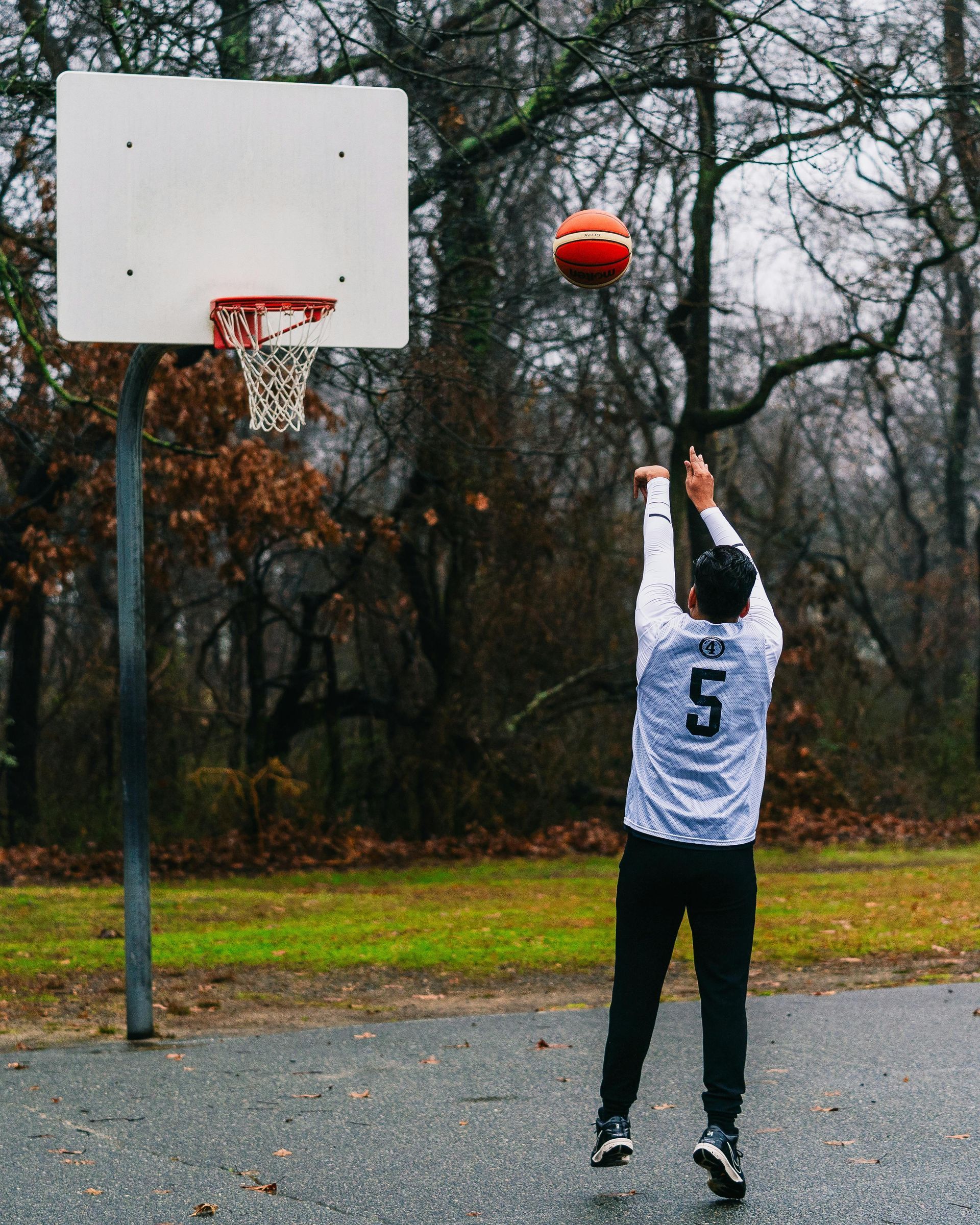
Every player compares. They compare stats. They compare teams. They compare offers. They compare playing time. They compare skill level. And most of the time… They compare at the worst possible moment. A player sees someone score 25. Another makes varsity early. Someone gets attention online. Someone gets recruited first. Suddenly it feels like you are behind. But here is the truth most players don’t want to hear. They are not ahead. They are just further along their path. Basketball development is not a race. It is a long process that compounds over time. Some players grow early. Some players grow later. Some players get opportunities early. Some players earn them through years of work. The scoreboard you see right now is only a snapshot. It does not predict who you will become. What actually determines your future is much simpler. Work. Skill is not given. Confidence is not given. Game performance is not given. They are built. Through training. Through repetition. Through failure. Through consistency. Through time. Too many players spend their energy watching others. The best players spend their energy building themselves. You cannot control another player’s timeline. You cannot control another player’s opportunity. But you can control: How often you train. How focused you are when you train. How you respond to mistakes. How consistent you stay. How long you are willing to commit to improvement. Most players want results. Few players are willing to live in the process long enough to earn them. Comparison steals joy. But more importantly, comparison steals focus. And when focus disappears, development stops. The players who improve the most are not always the most talented. They are the most consistent. They show up when others don’t. They work when others watch. They stay patient when others quit. So instead of asking: “Why are they ahead?” Ask: “What am I willing to do to improve?” Then go to work. If you are a player who is ready to train with purpose, EYG Basketball provides structured, focused training designed to help you improve the skills that matter most in real games. Learn more at: 👉 www.eygbball.com

Youth basketball players develop at different speeds. Learn why comparison slows growth and how focusing on your own development leads to long-term success.