


Galen Harkness • November 17, 2025
How Payton Pritchard Creates Space & Finishes Under Pressure — 5 Game-Ready Lessons Players Can Use Today
Smart players don’t win with talent. They win with reads, footwork, and separation

That’s why Payton Pritchard is so good.
He knows how to create space, finish around size, and consistently get the shots he wants.
And in these 5 clips, he gives players a masterclass in exactly how to do it.
Let’s break down the lessons — and how players can use them right away.
1️⃣ One Simple Read → One Explosive Finish
Most players overthink.
Pritchard does the opposite.
He reads one thing:
Is the help defender late?
If yes — he goes now.
The sequence:
- Inside-hand attack
- One hard dribble to separate
- Jump out, not up
- Shoulder shields the ball
- High, inside-hand finish
Clean. Simple. Effective.
Players:
Don’t wait for the perfect angle.
Make one read. Attack with purpose. Create your space.
2️⃣ Change of Pace Makes Defenders Panic
Speed doesn’t beat defenders.
Changing speeds does.
Pritchard goes:
Slow → explode.
Then he adds a controlled shoulder bump to create even more space.
The key:
He stays balanced through the bump.
Balance = control.
Control = options.
Options = scoring.
Players:
Master this combo:
slow… explode… bump… finish.
It works at every level.
3️⃣ Strong Handle Beats Strong Defense
When defenders get physical?
Most players lose the ball.
Pritchard uses it against them.
- Tight, protected handle
- Ball in the pocket
- Shoulder + hips create angles
- Absorb contact
- Finish calmly
He doesn’t dribble around pressure.
He dribbles through it.
Players:
Your handle must be strong enough to survive contact.
Not fancy.
Not flashy.
Strong.
4️⃣ Balance Creates Buckets
Footwork creates balance.
Balance creates space.
Space creates scoring opportunities.
Pritchard shows it every possession:
- Wide base
- Sharp stops
- Controlled rhythm
- Balanced rise into the shot
When defenders are off balance…
you’re on the scoreboard.
Players:
Work your base first.
Work your footwork second.
Let the game slow down because your body is under control.
5️⃣ Jump Out, Not Up
This might be the biggest lesson of the entire breakdown.
Most players jump up to finish.
That keeps them right in the defender’s reach.
Pritchard jumps out
— creating space, angle, and separation.
He’s not avoiding contact.
He’s beating it with footwork.
Players:
Don’t jump into contests.
Jump away from the shot-blocker.
Finish with space.
It’s a skill.
It’s a weapon.
And it works.
The Takeaway for Players, Coaches & Parents
Payton Pritchard wins the same way great guards win at every level:
- Smart reads
- Efficient footwork
- Strong handle
- Controlled pace
- Elite balance
- Purposeful finishing angles
None of it is hype.
All of it is learnable.
If you want to improve these same skills…
EYG helps players:
- Build reliable footwork
- Develop game-ready finishing
- Understand spacing and angles
- Play with confidence under pressure
- See progress that actually shows up in games
No hype.
No shortcuts.
Just real improvement — every session.
👉 See upcoming camps & training programs:
https://www.eygbball.com
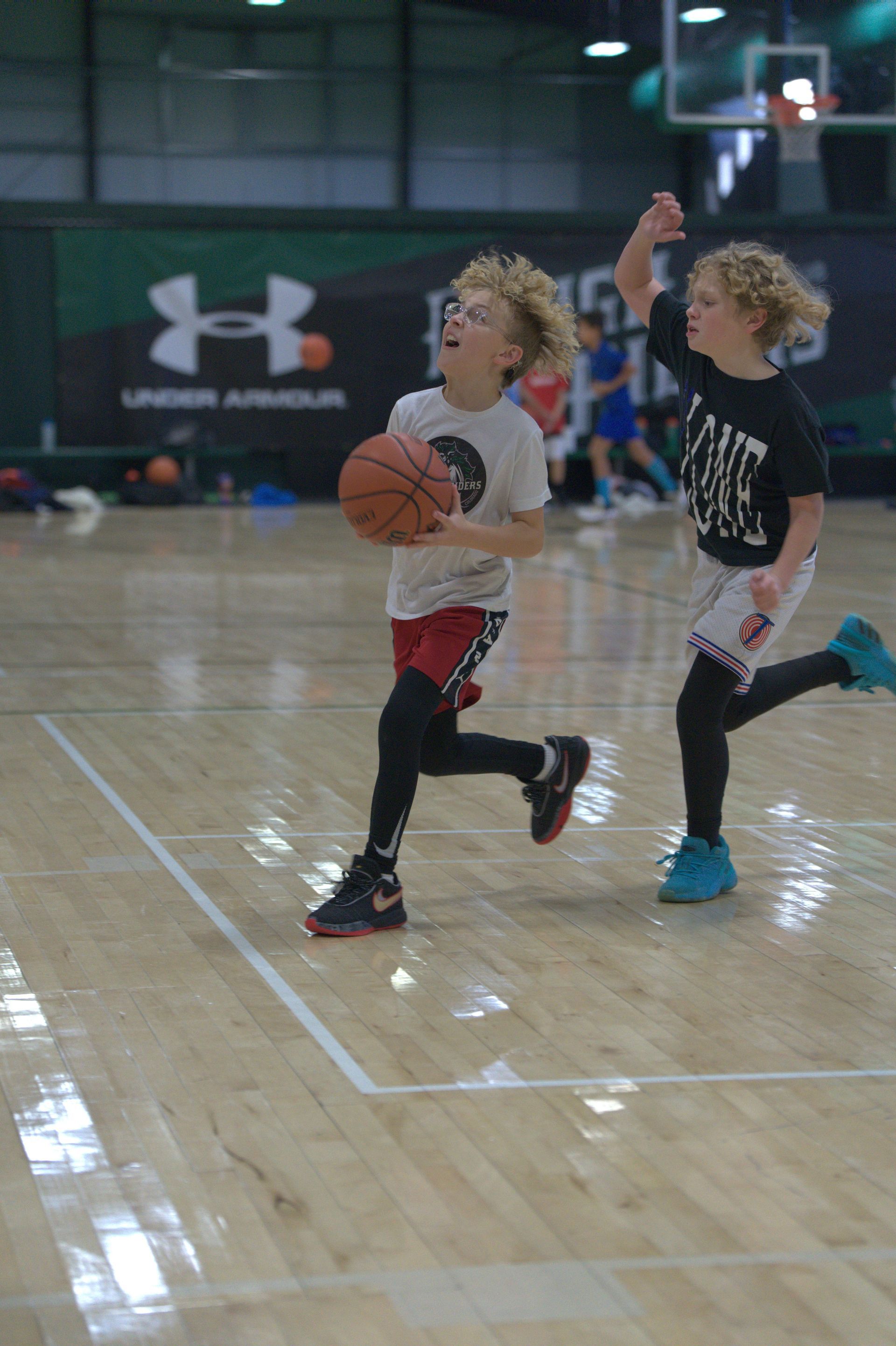
After 14 games in one weekend, Coach Galen Harkness shares lessons for parents and players about winning, adversity, skill development, and youth basketball.
Few actually decide to do what it takes. Every Gym Has This Two types of players. You’ve seen it. You might even know which one you are. Side 1 — The Complainers They talk about: The refs Their playing time Missed shots Bad courts Coaches There’s always something. And to be fair… some of it is real. But none of it helps them get better. Side 2 — The Workers They’re different. They: Stay after Get extra shots Ask questions Listen to coaching Fix mistakes They don’t ignore problems. They attack them. Same Gym. Same Situation. Different results. That’s the part most players miss. You don’t need a better team. You don’t need a better coach. You don’t need perfect conditions. You need a better response. What This Looks Like Bad call? Complain… or sprint back. Missed shots? Blame it… or fix your feet and get reps tomorrow. Not playing much? Get frustrated… or earn trust in practice. Slippery court? Make excuses… or adjust and play stronger. Here’s The Truth Your future as a player is decided early. Not by talent. By how you respond. The Players Who Improve They walk into the gym already decided: “I’m going to figure this out.” So when things go wrong… They don’t look around. They go to work. The Players Who Stay The Same They walk in thinking: “This isn’t fair.” And every bad call… Every missed shot… Every tough moment… Just proves them right. That’s The Difference Same gym. Same opportunities. Different mindset. Different outcome. What We See At EYG The players who improve the most aren’t always the most talented. They’re the ones who: Take coaching Stay consistent Work when it’s hard Show up ready They pick the right side. Over and over again. The Question Next practice. Next game. Next workout. Which side are you on? Because that decision shows up in your results.
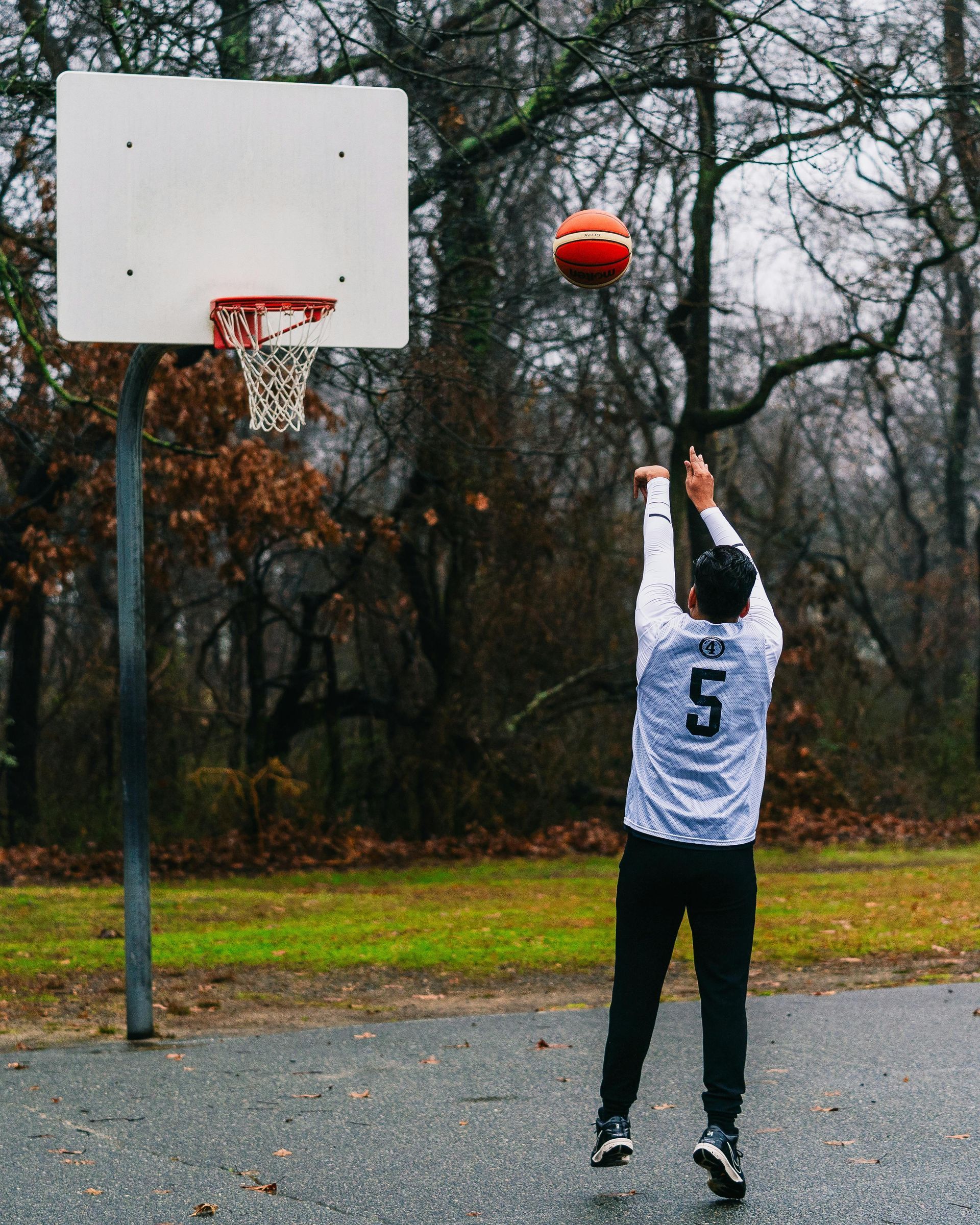
Every player compares. They compare stats. They compare teams. They compare offers. They compare playing time. They compare skill level. And most of the time… They compare at the worst possible moment. A player sees someone score 25. Another makes varsity early. Someone gets attention online. Someone gets recruited first. Suddenly it feels like you are behind. But here is the truth most players don’t want to hear. They are not ahead. They are just further along their path. Basketball development is not a race. It is a long process that compounds over time. Some players grow early. Some players grow later. Some players get opportunities early. Some players earn them through years of work. The scoreboard you see right now is only a snapshot. It does not predict who you will become. What actually determines your future is much simpler. Work. Skill is not given. Confidence is not given. Game performance is not given. They are built. Through training. Through repetition. Through failure. Through consistency. Through time. Too many players spend their energy watching others. The best players spend their energy building themselves. You cannot control another player’s timeline. You cannot control another player’s opportunity. But you can control: How often you train. How focused you are when you train. How you respond to mistakes. How consistent you stay. How long you are willing to commit to improvement. Most players want results. Few players are willing to live in the process long enough to earn them. Comparison steals joy. But more importantly, comparison steals focus. And when focus disappears, development stops. The players who improve the most are not always the most talented. They are the most consistent. They show up when others don’t. They work when others watch. They stay patient when others quit. So instead of asking: “Why are they ahead?” Ask: “What am I willing to do to improve?” Then go to work. If you are a player who is ready to train with purpose, EYG Basketball provides structured, focused training designed to help you improve the skills that matter most in real games. Learn more at: 👉 www.eygbball.com